Some store links in this guide may earn us a commission if you buy, at no extra cost to you. It never decides what we recommend. How that works.
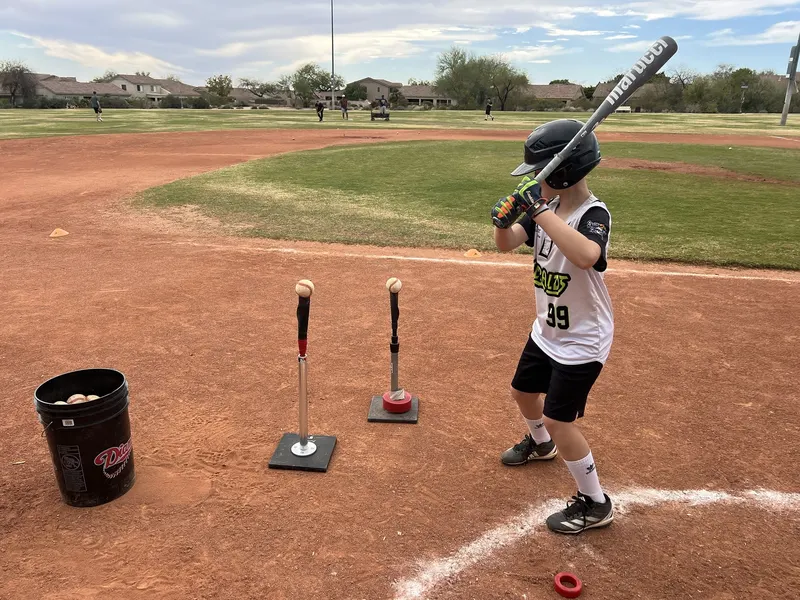
For most families, a tee and a net come first. After that: a solo swing trainer for kids under about 12, heavy training balls for solid contact, and speed-training bats only for older hitters with a plan.
Buy in this order
| Trainer | What it does | Best age |
|---|---|---|
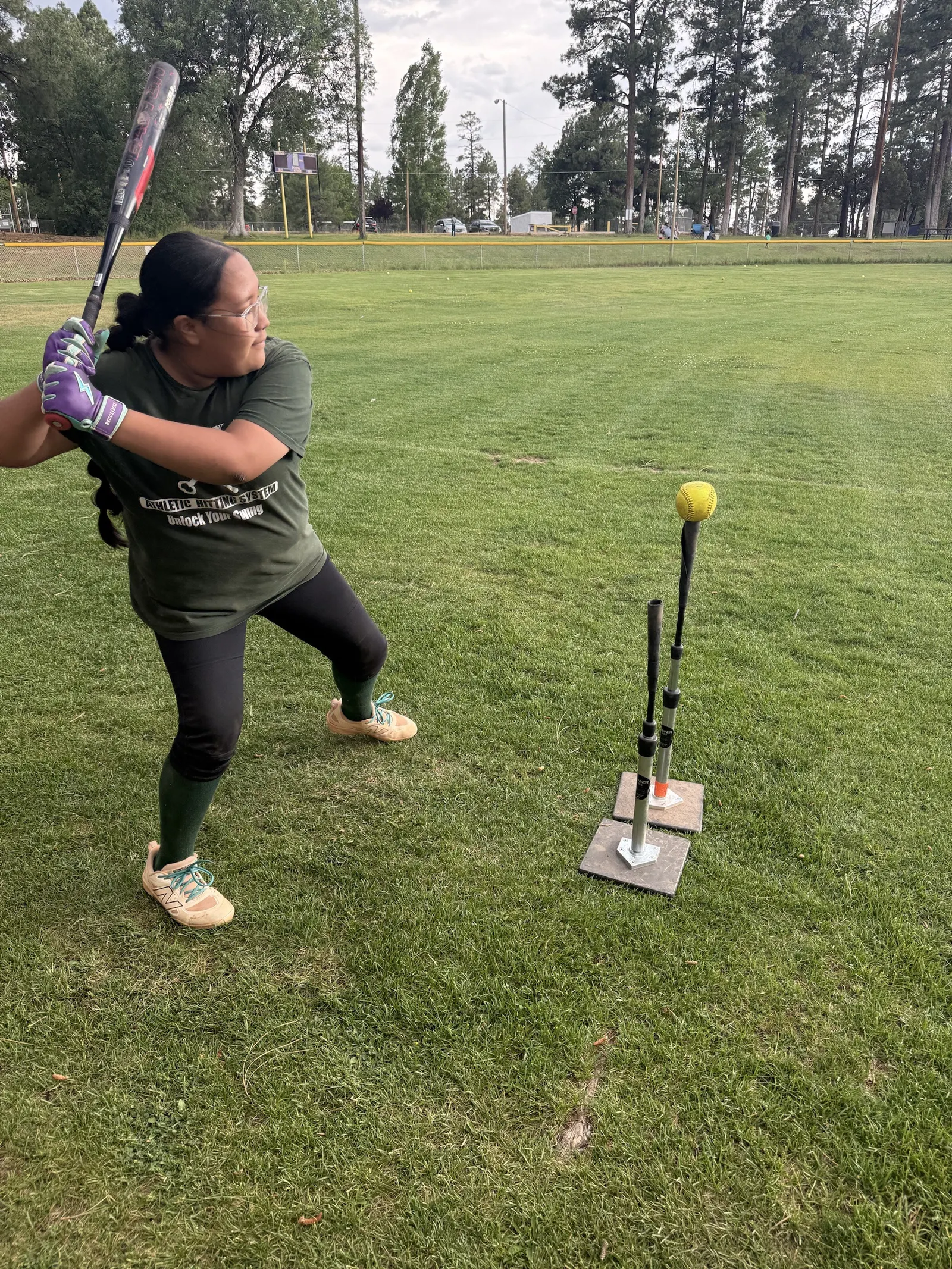
| Tee + net | Unlimited reps anywhere | Every age |
| Solo swing trainer | Reps with no feeder and no chasing balls | About 6–12 |
| Heavy training balls | Rewards square contact; mishits feel dead | About 10 and up |
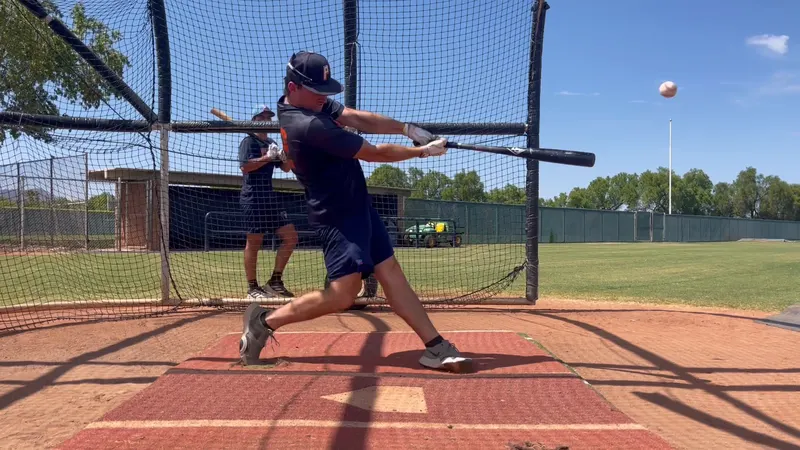
| Speed-training bats | Overload/underload swings to build bat speed | About 13 and up, with a plan |
How we picked
Research-based picks for common, durable trainers.
SKLZ Hit-A-Way
Best for ages 6 to 12 practicing alone
A ball on a cord that spins around a pole after each swing. No feeder needed.
Why it works
- Solo reps in a small space
- Kids actually like it
Trade-offs
- Not a substitute for live pitching or a coach
Heavy training balls
Best for hitters 10 and up working on contact
Weighted balls that do not fly far. Off the end or the handle, they feel dead; on the barrel, they jump.
Why it works
- Honest contact feedback
- Great in a small net or cage
Trade-offs
- Use a durable bat; do not use them with a game composite bat unless the maker allows it
Axe Bat Speed Trainer
Best for hitters about 13 and up on a bat speed program
A set of weighted bats for overload and underload swings.
Why it works
- Structured bat speed program
Trade-offs
- Not for young kids
- Results come from consistency, not the bats themselves
If a trainer promises to "fix" a swing by itself, keep walking. Good reps fix swings. The gear just makes more reps possible.
Coach BK, 35 years coaching hitters